
ENERGY & GARBAGE CARBON RECYCLE
PCP -700 GIGAHARD EUROPE INSTALLATION PERFORMANCE
The PCP 700 Decarbonization technology plant under consideration is designed for processing 2 Ton/hour of unsorted solid plastic and carbon household waste
The Green Plastic project aims to tackle the issue of plastic waste by turning it into a valuable resource. Our innovative process involves collecting and sorting plastic waste, decarbonization plastic.
Our project generates revenue from recycling plastic and production : electricity production, heat production, plastic sales, and carbon credits. The revenue streams are as follows:
Tokenomics:
1. Our project aims to reduce electricity costs by 10%. This means that we will offer our token holders a 10% discount on electricity costs for a limited time.
2. We plan to issue a total of 225,000,000 tokens, with an initial supply of 100,707,500 tokens. The remaining tokens will be held for future use, such as funding research and development, expanding our operations, and rewarding team members.
3. The initial price of the token will be $0.10.
4. The price of the token will be tied to the price of electricity and carbon credits, increasing as the price of these commodities increases. The token price will be calculated as follows: Year 2026 - Token price = €0.32 Year 2027 - Token price = €0.37 Year 2028 - Token price = €0.42 Year 2029 - Token price = €0.49 Year 2030 - Token price = €0.56
2. We plan to issue a total of 225,000,000 tokens, with an initial supply of 100,707,500 tokens. The remaining tokens will be held for future use, such as funding research and development, expanding our operations, and rewarding team members.
3. The initial price of the token will be $0.10.
4. The price of the token will be tied to the price of electricity and carbon credits, increasing as the price of these commodities increases. The token price will be calculated as follows: Year 2026 - Token price = €0.32 Year 2027 - Token price = €0.37 Year 2028 - Token price = €0.42 Year 2029 - Token price = €0.49 Year 2030 - Token price = €0.56
Conclusion: The Green Plastic project aims to address the issue of plastic waste while generating revenue for our investors. We plan to do this by producing electricity and heat from recycled plastic waste, selling the plastic products that we produce, and generating carbon credits and offsets. Our token holders will benefit from a 10% discount on electricity costs and the potential increase in the value of the token as our project grows and expands. With the potential to generate revenue of €2,106 per tonne of plastic, we believe that our project offers a sustainable and profitable solution to the problem of plastic waste.
Note: These figures and projections are for illustrative purposes only and are subject to change based on various factors, such as market conditions, regulatory changes, and operational efficiency. It is important to conduct thorough research and analysis before investing in any project or token.
ECONOMIC BENEFITS
What do we get in the process of using a 2 t / h oer 1 hour plastic processing plant. Working at full capacity, the installation produces in 1 hour:
1. Production of 4 MWt of electricity at a price of 130 euros per MWt.
2. Production of 12 MWt of thermal energy at a price of 53 euros per MWt.
3. Getting 28 euros for 1 ton of recycled plastic EUR/tCO2e.
4. Getting 75 euros for 1 ton of recycled plastic.
The annual amount of electricity produced, based on 350 days of work, taking into account the salary of 6 workers for 12 months and all expenses will be:
2. Production of 12 MWt of thermal energy at a price of 53 euros per MWt.
3. Getting 28 euros for 1 ton of recycled plastic EUR/tCO2e.
4. Getting 75 euros for 1 ton of recycled plastic.
The annual amount of electricity produced, based on 350 days of work, taking into account the salary of 6 workers for 12 months and all expenses will be:
11,140,800.00 €
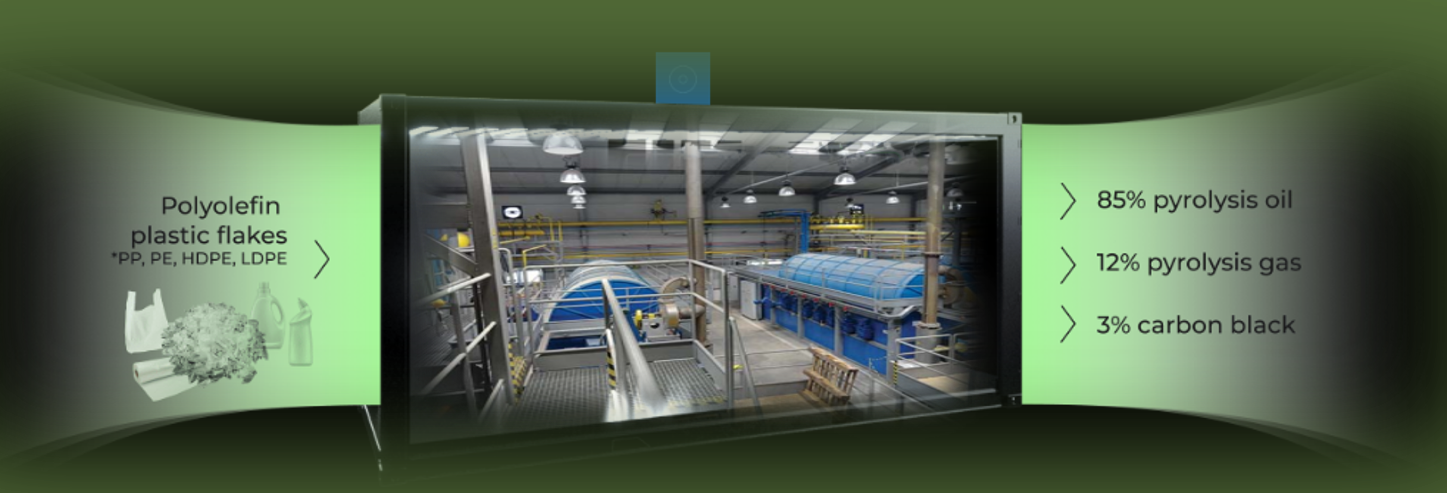
Fields of Application
Coatings and contaminants often make mechanical plastic recycling difficult or impossible. In most cases, the only option is landfill or incineration. Chemical recycling by thermolysis is one of the solutions to produce virgin plastic from mixed and contaminated waste. In our process synthetic crude oil is produced in continuous and automated way to get closer to the goal of a circular economy.
Polyolefins
Although polyolefins account for a large proportion of the total plastic produced, they are rarely recycled because their recycling is more demanding. The WASTX Plastic processes PE, PP, HDPE, LDPE, LLDPE and PP + C polyolefins. Adhesions or similar contaminants are sorted out with the separately available pre-treatment stage.


Packaging
According to the Federal Environment Agency, around 85% of all plastic waste in Germany is so-called post-consumer waste, which usually cannot be recycled mechanically. Thanks to the pre-treatment stage, which is available separately, the WASTX Plastic is also able to process multi-layer films and contaminants such as paper labels and food residues.
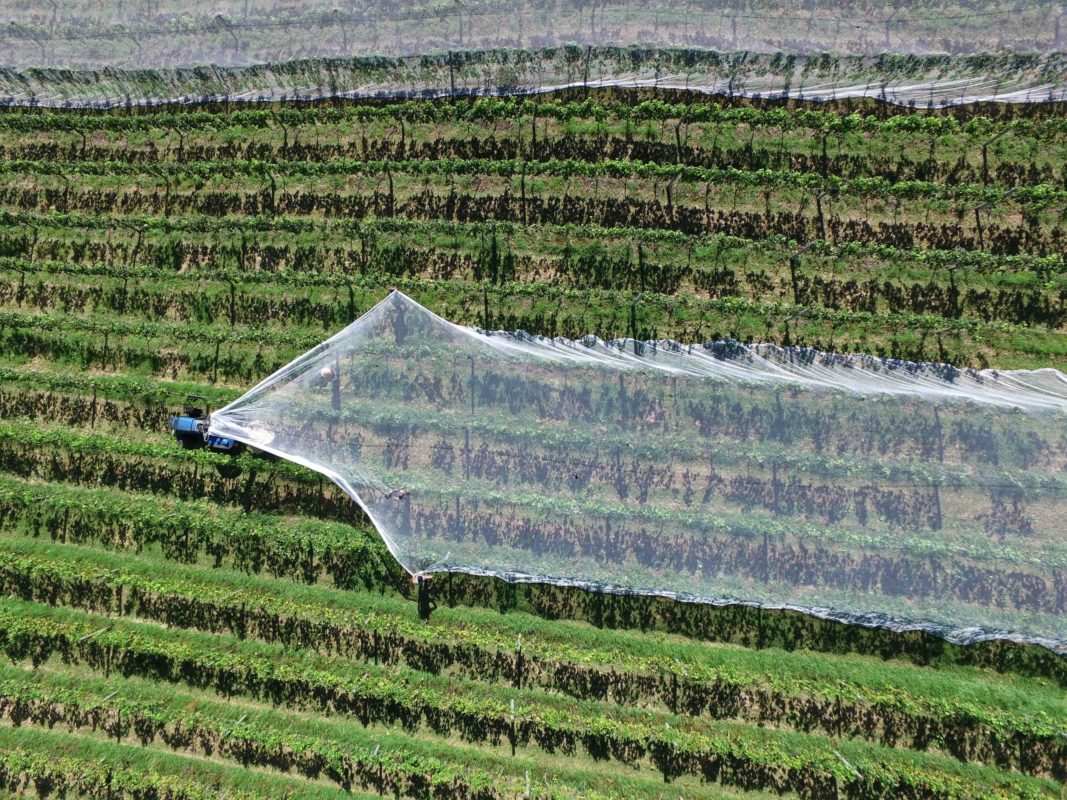
Agricultural Foil
High levels of contamination and moisture make it difficult to recycle the polyolefin based foil, which is why they are usually incinerated or landfilled. Thanks to the modular design of the WASTX Plastic, impurities and moisture can be minimized already in the pretreatment stage and remaining residues do not interfere with the robust chemical recycling process.
Hard Plastic
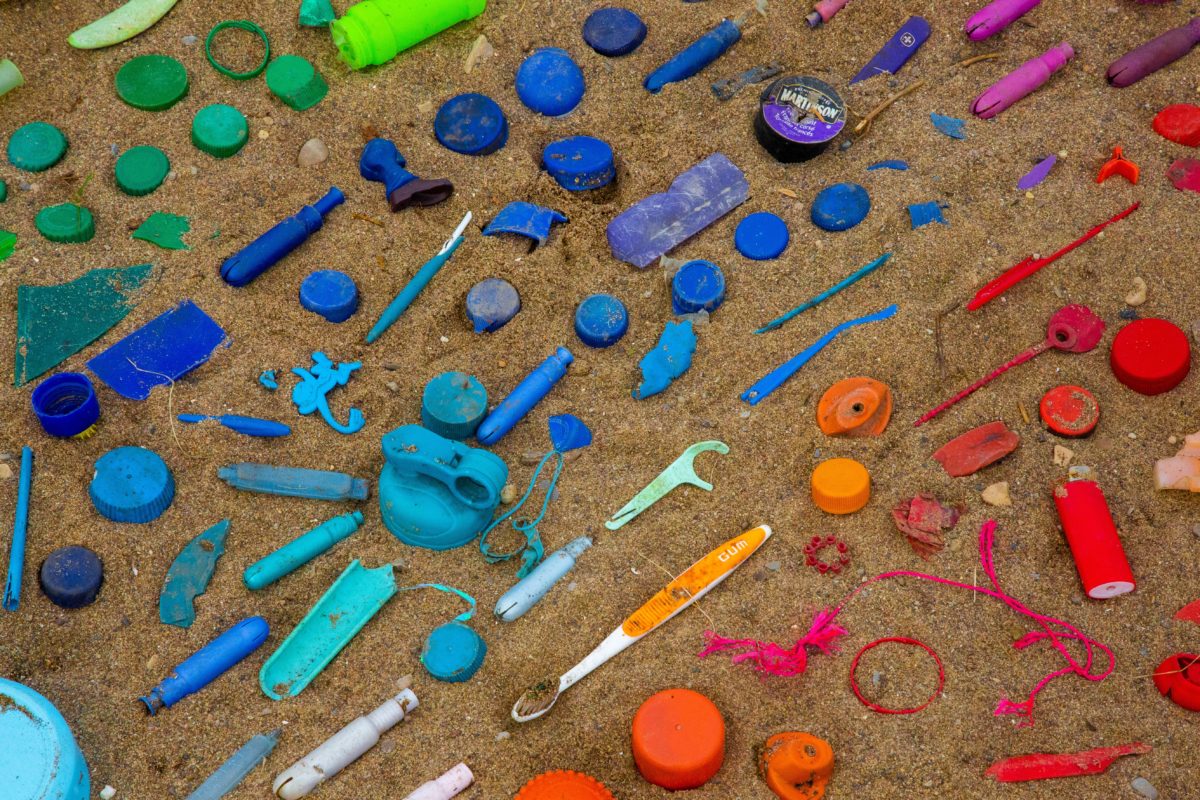
The modular design of the WASTX Plastic allows individual pretreatment depending on the starting material. An upstream granulator also reduces hard plastic to the particle size required for the core process. The technology can thus be adapted to the requirements of the site and still remain easily scalable.
Ocean Plastic
Every year, about 10 million tons of plastic waste end up in our oceans – roughly equivalent to one truckload per minute. Solar radiation and decomposition often make mechanical recycling of marine plastics impossible. Chemical recycling offers a way to return even heavily deteriorated plastic to the raw material cycle.

Customized Solutions
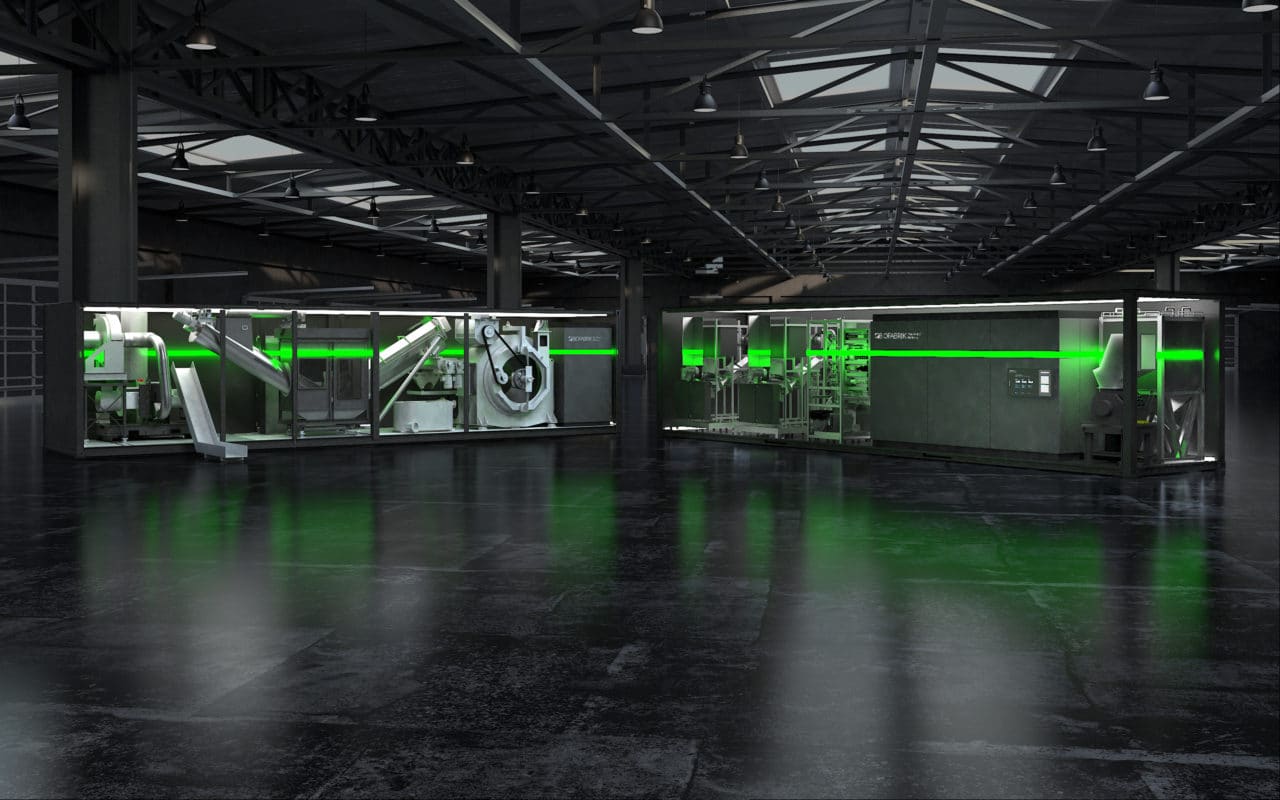
With an engineering team composed of the top talent in the industry, we are capable of completing projects of any size. The result is customized turnkey recycling plants including site, infrastructure and safety planning, detailed engineering, installation and consulting.
ENERGY & GARBAGE CARBON RECYCLE
PCP -700
48 tons / day
2026 - 32,20 EUR/tCO2e
2027 - 37,03 EUR/tCO2e
2028 - 42,58 EUR/tCO2e
2029 - 48,97 EUR/tCO2e
2030 - 56,32 EUR/tCO2e
2027 - 37,03 EUR/tCO2e
2028 - 42,58 EUR/tCO2e
2029 - 48,97 EUR/tCO2e
2030 - 56,32 EUR/tCO2e
Location: EU
Project type: Eco recycling plastic.

Estimated Amount:300.000 tCO2e
Vintage:2025
Provider:GreenTrader
Certification:Verified Carbon Units (VCU)